

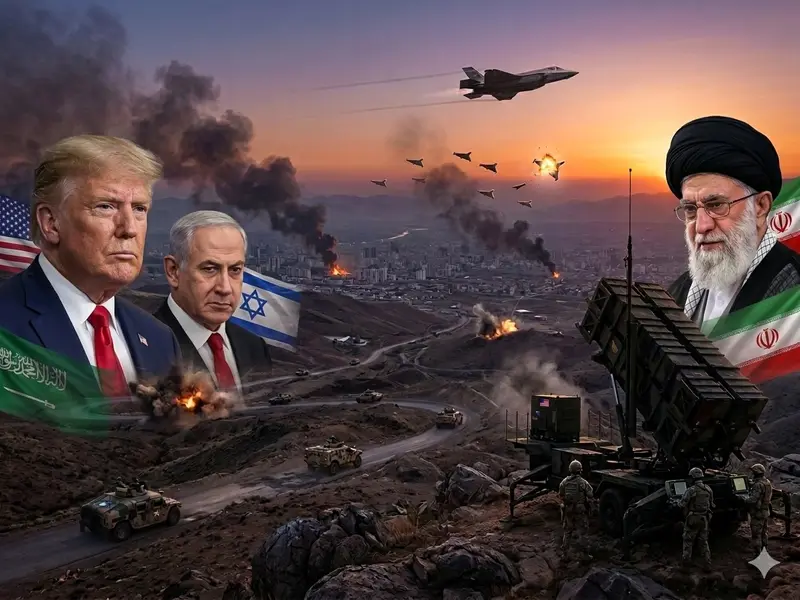
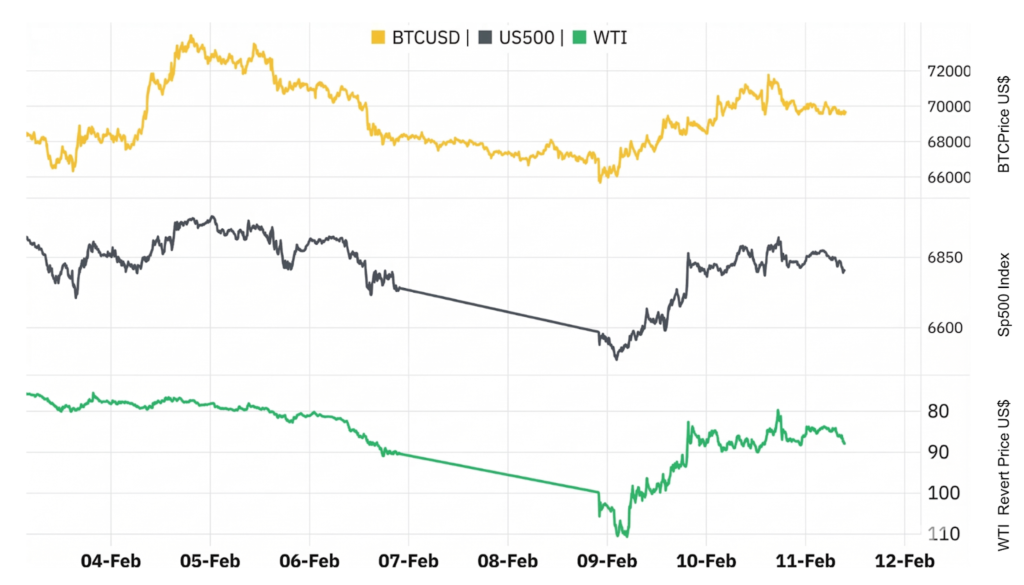
In mid-March 2026, global financial markets are facing the most intense geopolitically induced volatility since the 2022 Russia-Ukraine conflict. The U.S.-Israeli Operation Epic Fury military campaign against Iran entered its second week, and the Iranian Revolutionary Guard Corps' (IRGC) laying of naval mines in the Strait of Hormuz on March 10th elevated the risk from a supply disruption to the level of a potential physical blockade. As a direct result of this incident, shipping traffic through the Strait plummeted by more than 95% and has yet to recover. The price of crude oil has shifted dramatically from $119 to $81 and back to $87 in just seven days, with a one-day range of up to 47%. Bitcoin has followed oil prices and geopolitical news, but to a lesser extent, hitting $71,800 on President Trump's statement that "the war will be over quickly," and then dropping back down on the news of the deployment of the mines.
Why is this topic worth reading in the current market environment?
This is because geopolitics is no longer a peripheral event, but a core driver that directly determines macro liquidity, energy prices, inflation expectations and risk asset pricing. The cryptocurrency market has become highly integrated into the global macro system, with Bitcoin showing nearly the same pattern of movement as the U.S. stock market and crude oil, albeit with different volatility. This means that investors who ignore geopolitical risk are likely to be caught off guard by the next major event!
What are the common misconceptions in the market? Many people still view Bitcoin as a pure 'safe-haven asset' or 'digital gold', believing that it will automatically rise in times of geopolitical conflict. But in reality, as seen in the many crises from 2022 to the present, Bitcoin has been more of a high beta risk asset, following the stock market and crude oil in tandem, rather than a reverse hedge. Another oversimplification is that"Higher oil prices must be bad for crypto."This ignores the different stages of the causal chain: short-term supply shocks push up inflation expectations, delay interest rate cuts, and put pressure on risky assets; but in the long term, a recession could trigger a return of safe-haven demand.
How can readers better judge the market after reading this article? This article will help you develop a complete framework for how geo-events propagate through energy, inflation, liquidity, to the gamma effect and negative gamma risk in crypto markets. By understanding these cause and effect relationships, you can better determine when there is a false stability in a "fragile equilibrium" and when there is a true structural bottom!
Recent Recent Posts:
2026 Latest 6 Free Coin Ring Tools Inventory|Where to find the data on the chain?
2025 Latest OKX Web3 Wallet Tutorial: Does it work? How to create it? A Guide to Safe Operation, Multi-Link Support, and Time-Limited Airdrops
2026 Latest Polymarket Tutorial|How to find out the insiders and realize the high win rate!
2025 New DeFi Beginner's Guide|Teaching you to earn stable money passive income! Introducing 3 popular programs, DeFiLlama tool tutorial!
How geopolitics is the dominant factor in the market today
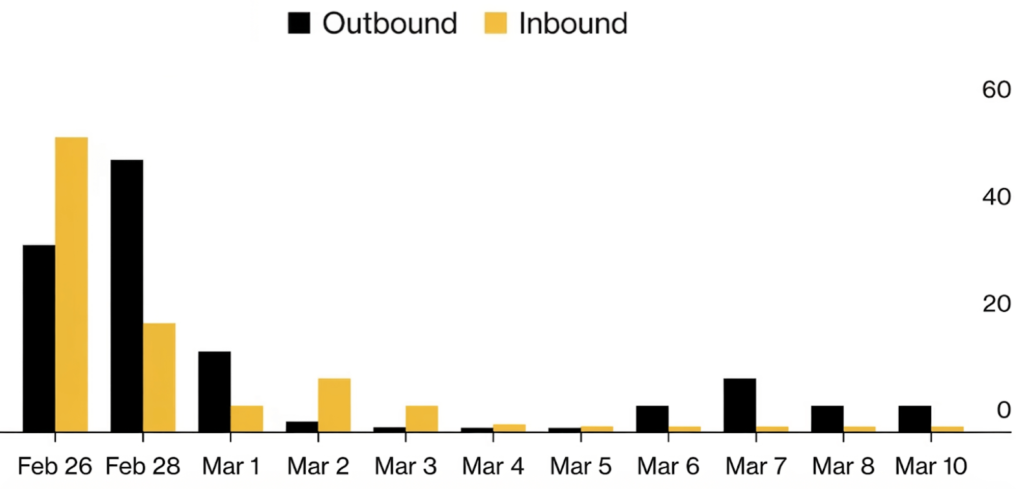
The situation in the Middle East has escalated rapidly since Operation Epic Fury was activated on February 28, and Iran's minelaying of the Strait of Hormuz on March 10 is particularly critical, as Iran retains a minelaying capability of 80-901 TP3T. This is not only a supply chain risk, but could evolve into a weeks-long physical blockade. A sudden drop in shipping traffic of 951 TP3T means that an immediate supply shock has occurred, and the timeline for mine clearance is fraught with uncertainty.
The crude oil market reacted most vigorously, with WTI falling from $119 to $81 and rebounding to $87, a record volatility of 47% in a single day. Although Bitcoin followed the same direction, the volatility was significantly smaller. This reflects the fact that the crypto market has partially absorbed the macro linkages, but has yet to completely detach itself from risky asset attributes. Have you ever noticed that when Trump stated that he "wants to end the war quickly", oil prices plummeted by 30% and Bitcoin hit $71,800, while all assets reversed immediately after the news of the mines?
Volatility Indicators and Negative Gamma Alerts
The VIX has fallen sharply from above 35 to 23, a drop of more than 50%. Historical data suggests that when the VIX falls from highs, short-term market performance is usually positive. However, this does not mean that the risk has been removed, and it is more likely that the market is overreacting to the headlines.
The market is in a "fragile equilibrium": geopolitical risks remain unresolved, inflationary data is forthcoming, and equity valuations are still high.
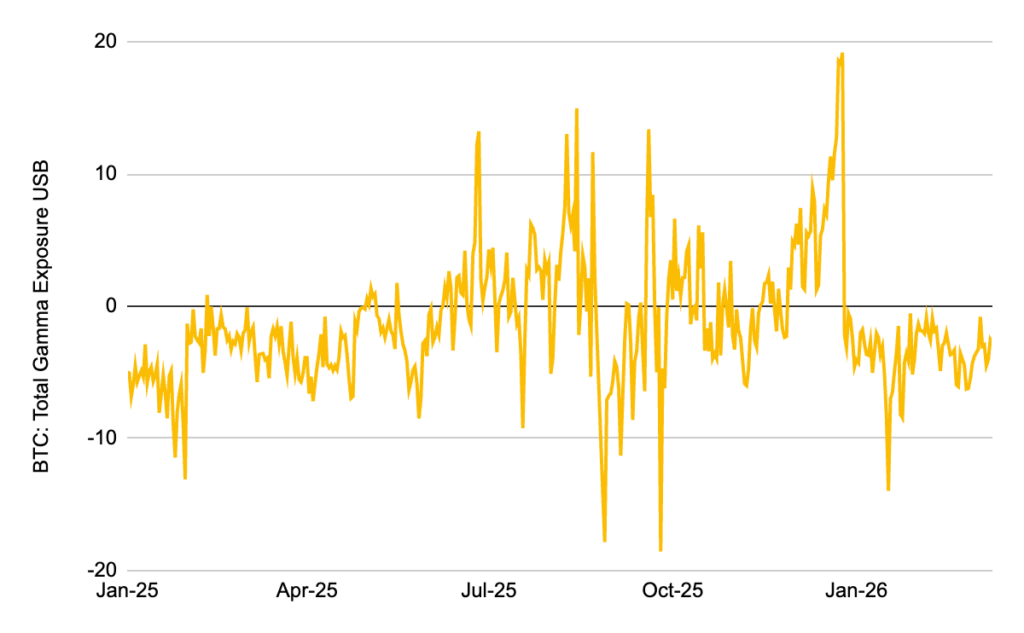
Of greater concern is the negative gamma phenomenon. Bitcoin has been in negative gamma since December 2025, as has the US stock market (SPY). Negative gamma means that market makers are forced to hedge against price movements, amplifying them. This explains why seemingly small news can trigger sharp fluctuations.

Are you curious as to why the same news story has such a different impact on Bitcoin at different stages?
The answer lies in the gamma structure: when the market is in a positive gamma, volatility is dampened; a negative gamma acts as a magnifying glass, making every shock more intense.
The Changing Role of U.S. Bitcoin Cash ETFs
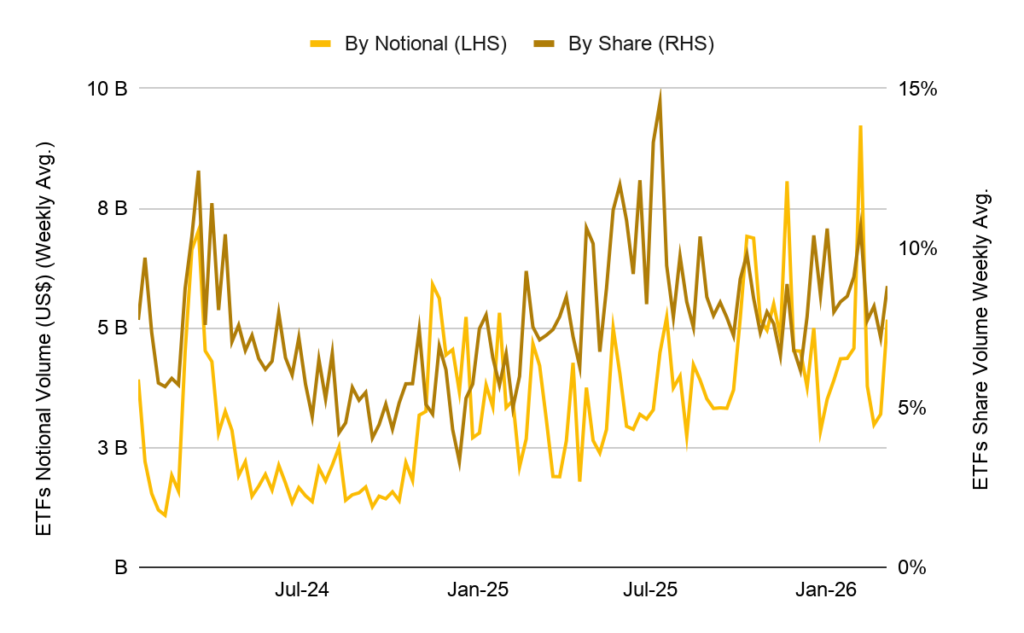
Despite geo risk dominating the short-term trend, US Bitcoin spot ETFs have risen to approximately 9% of overall Bitcoin spot volume, suggesting that institutional interest is picking up, especially as US investors reassess their risky asset allocations. the increase in ETF flows implies that Bitcoin's pricing mechanism is gradually moving closer to that of traditional finance, and potentially underpins liquidity going forward.
However, this also brings a double-edged sword effect: the higher the institutional participation, the greater the sensitivity of the market to macro events. When geopolitical or inflationary data are not as expected, ETF redemption pressure may magnify the downside.
Recent Recent Posts:
2026 Latest 6 Free Coin Ring Tools Inventory|Where to find the data on the chain?
2025 Latest OKX Web3 Wallet Tutorial: Does it work? How to create it? A Guide to Safe Operation, Multi-Link Support, and Time-Limited Airdrops
2026 Latest Polymarket Tutorial|How to find out the insiders and realize the high win rate!
2025 New DeFi Beginner's Guide|Teaching you to earn stable money passive income! Introducing 3 popular programs, DeFiLlama tool tutorial!
Historical Patterns and Asymmetric Opportunities in Midterm Election Cycles
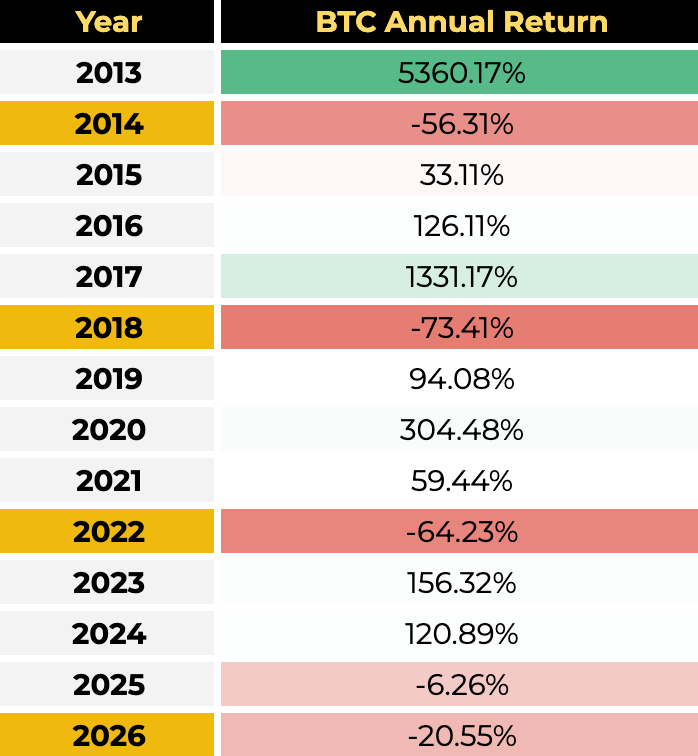
The year 2026 is a midterm election year in the United States. Historical data shows that risky assets are weak on average during midterm election years: the S&P 500 retreated an average of 161 TP3T, and Bitcoin fell an average of 561 TP3T over the three cycles, but after the election, the rebound has been amazing: the S&P 500 has risen an average of 191 TP3T without ever having a negative return, and Bitcoin has risen an average of 541 TP3T.
This creates a clear asymmetry of opportunity: a pre-election 'uncertainty premium' that depresses prices, and a post-election lifting of uncertainty that triggers a strong rebound. The current fragile equilibrium in the market is a window of opportunity to accumulate quality assets.
Future Risks and Key Observations
Three major risks remain unresolved:
- The upcoming US CPI and Core PCE data for February will further delay the Fed's rate cuts (currently the market is only pricing in 1.5 rate cuts) if the oil price shock seeps through to inflation.
- Oil could return above $100 if geopolitical conflict prolongs
- Technology stock valuations are still at 20-year highs, and once profits are taken, risk assets will be under full pressure.
Readers should pay close attention to this week's macro events calendar, including CPI data and geo-diplomatic developments. As these events become clearer, markets are likely to move from a "fragile equilibrium" to a structural recovery.
Through this analysis, we can see that the crypto market is no longer an island, but part of a global macro system. Understanding the transmission paths between geopolitics, energy, inflation and gamma structures will help you find your relative advantage in the midst of uncertainty. Over the long term, the opportunity to accumulate quality assets is often hidden when markets are at their most vulnerable!
Translated and adapted from Binance Research Weekly Market CommentaryAll data and graphical references are taken from the report, which can be viewed in its entirety by clicking on the original article.
Our Telegram Community Every day, our members share market opportunities and event updates to help you avoid blind betting and quickly adjust your strategy, now you can join us for free~!
Recent Recent Posts:
2026 Latest 6 Free Coin Ring Tools Inventory|Where to find the data on the chain?
2025 Latest OKX Web3 Wallet Tutorial: Does it work? How to create it? A Guide to Safe Operation, Multi-Link Support, and Time-Limited Airdrops
2026 Latest Polymarket Tutorial|How to find out the insiders and realize the high win rate!
2025 New DeFi Beginner's Guide|Teaching you to earn stable money passive income! Introducing 3 popular programs, DeFiLlama tool tutorial!
Disclaimer
The content of this article is for reference only, investors should exercise independent judgment, invest prudently and at their own risk, this article does not provide or attempt to persuade the audience to do trading or investment basis, the content is for sharing purposes only, and should not be regarded as investment advice.It does not represent the views and position of Monsterblockhk.All information and opinions are current as of the date of the judgment. In addition, if a judgment is rendered on aIn this siteAny content related to virtual asset trading platforms that have not yet obtained a license to operate virtual asset trading platforms in Hong Kong, including but not limited to text introductions, pictures, offers, events, etc., are only available to users outside the Hong Kong Special Administrative Region.
According to the Hong Kong Anti-Money Laundering and Counter-Terrorist Financing (Amendment) Ordinance 2022, after June 1, 2023, all centralized virtual asset trading platforms operating in Hong Kong or actively promoting their services to Hong Kong investors will be licensed and regulated by the SFC, and any related unlicensed activities will be a criminal offence. For more information and details of the legislation, users may refer to the SFC website.