

What is the Hyperliquid Exchange?
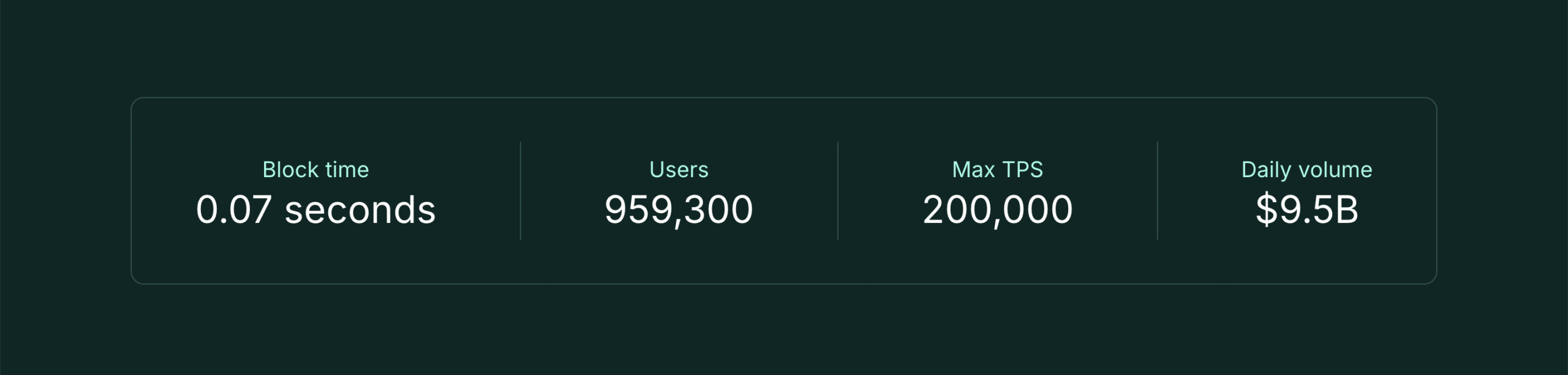
Hyperliquid has rapidly emerged since 2024 and has now become the largest decentralized perpetual futures exchange on-chain. It features its own proprietary Layer 1 blockchain—the team built the infrastructure from the ground up specifically for trading, with the goal of delivering a high-frequency, low-latency trading experience. This dedicated chain employs a Proof-of-Stake (PoS) consensus mechanism called HyperBFT (an enhanced version of the HotStuff algorithm), ensuring that all transactions are executed in an orderly manner on-chain and reach finality quickly.
Unlike typical DEXs, which rely on the Ethereum mainnet or Layer 2 networks, Hyperliquid’s architecture is divided into two core layers: HyperCore and HyperEVM.
HyperCore is a native execution layer responsible for critical operations—including a fully on-chain Central Limit Order Book (CLOB), a matching engine, and margin and liquidation mechanisms—ensuring that all orders and trades are processed entirely on-chain. Traditional DEXs typically use automated market maker (AMM) pools or hybrid order books that operate partly on-chain and partly off-chain, whereas Hyperliquid has pioneered the move to bring the entire order book and matching logic onto the blockchain.
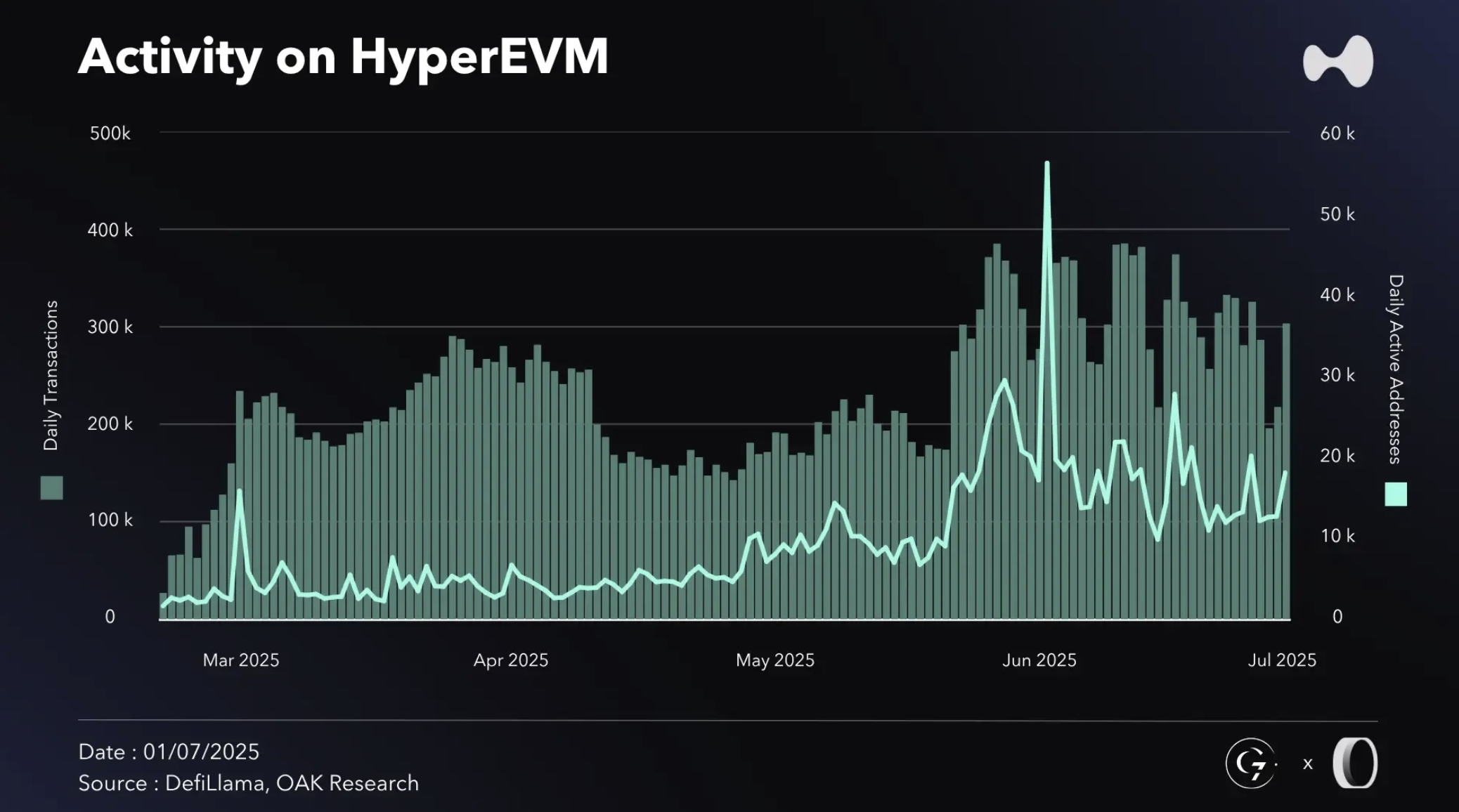
The other layer, HyperEVM, is an EVM-compatible environment that shares a consensus mechanism with HyperCore, enabling developers to deploy smart contracts and decentralized applications (dApps) on the Hyperliquid chain and interact closely with the same state layer as the transaction core. Both layers share data availability and state, allowing DeFi applications on Hyperliquid to directly access the exchange’s liquidity and data, thereby enabling powerful composability.
This architecture delivers exceptional performance: Hyperliquid has an average transaction latency of just 0.2 seconds (less than 0.9 seconds under 99% conditions) and a theoretical throughput of up to 200,000 transactions per second, rivaling the speed of traditional centralized exchanges. In contrast, many early DEXs could only process a few thousand transactions per second. Furthermore, Hyperliquid achieves near-instant transaction finality, eliminating long wait times for users. All processes—including order placement, matching, funding rate calculation, and forced liquidation—take place on-chain, preserving the transparency and security of the blockchain while delivering a seamless experience comparable to that of a CEX.
Founder Jeff Yan’s reasoning during the design phase was straightforward: Ethereum is too slow, Layer 2 solutions are fast but still have latency, and Solana isn’t fast enough. So he decided to start from scratch and build a blockchain specifically designed to meet demanding transaction requirements. This bold technical decision gave Hyperliquid a massive first-mover advantage.
What are the trading features and core benefits of Hyperliquid?
As the current leader in the on-chain derivatives market, Hyperliquid combines the user experience of a centralized exchange (CEX) with the benefits of blockchain. Its core strengths are as follows:
Low slippage, deep liquidity
Thanks to its full-chain order book and innovative HLP market-making mechanism (detailed below), Hyperliquid offers exceptional market depth and minimal trading slippage. Its order book depth rivals that of top centralized exchanges—when many new coins are listed, Hyperliquid offers the deepest buy and sell orders and the tightest bid-ask spreads in the entire market. For traders, this means fairer prices and lower impact costs.
Zero Gas transactions with low handling fees
When placing orders on Hyperliquid, you don’t have to pay on-chain gas fees. Thanks to wallet signature authorization and platform optimization, every transaction is gas-free—something that would be unthinkable in other on-chain trading environments.
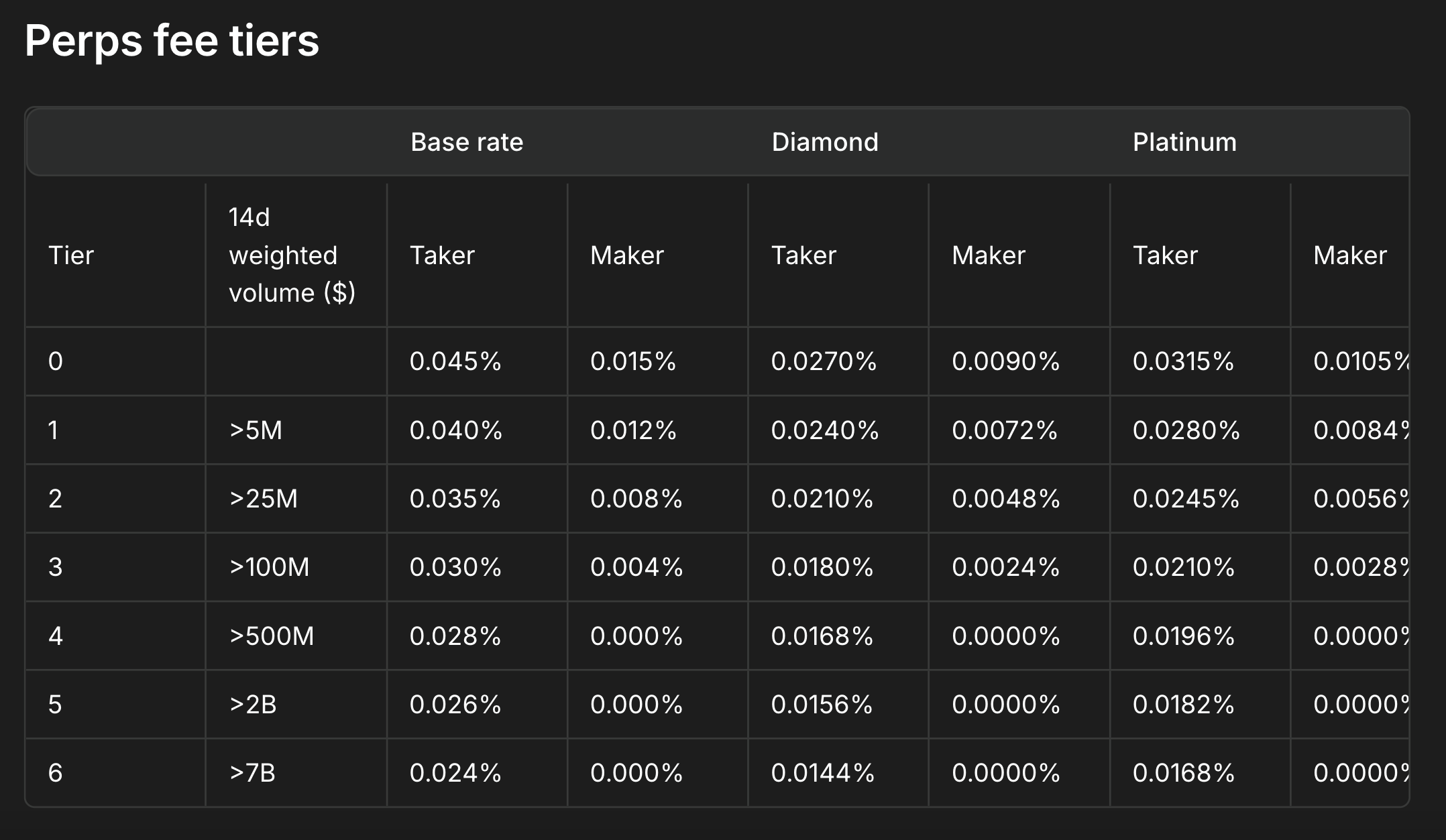
Regarding trading fees, the current rates for 2026 are as follows: the taker fee for perpetual contracts is 0.0451 TP3T, and the maker fee is 0.0151 TP3T. There are seven volume-based tiers, with lower rates applied as trading volume increases. On top of this, two additional discounts can be applied: Staking HYPE grants a fee discount ranging from 5% to a maximum of 40% (staking 10 or more grants 5%, while staking 500,000 or more reaches 40%); Registering with a referral code grants an additional 4% discount on the first $25 million in trading volume; these two discounts can be stacked. In other words, a user who stakes a sufficient amount of HYPE can effectively pay a taker fee as low as approximately 0.027% or even lower.
Highly leveraged perpetual contracts
The platform specializes in perpetual contract trading and supports up to 40x leverage for major cryptocurrencies. High leverage allows professional traders to allocate their funds flexibly, but beginners should be especially mindful of the risks to avoid margin calls due to excessive market volatility.
New products are launched quickly, and there is a wide variety of market options.
Hyperliquid is known for quickly listing new assets; for many popular new coins, Hyperliquid is often the first platform in the entire market to offer perpetual contracts. For example, when memecoins such as TRUMP and MELANIA were launched in early 2025, Hyperliquid listed their perpetual contracts earlier than mainstream centralized exchanges, setting consecutive all-time highs for daily trading volume within two days. The platform currently supports trading pairs for over 100 crypto assets. Combined with the new markets—such as U.S. stocks and gold—introduced by HIP-3 (covered in a separate section below), its selection is unmatched among DEXs.
Hyperliquid Exchange Operations Tutorial (2026 Update)
Beginners who have never used Hyperliquid before might ask: Do I need to create an account? Is it complicated to use? The following is a simple, step-by-step guide to the entire process.
Before using Hyperliquid, you'll need to set up a Web3 wallet. For more information, see"The Complete Guide to the OKX Web3 Wallet"; You can also connect your MetaMask wallet to Hyperliquid. For more information, see"MetaMask (Little Fox Wallet) Tutorial"。
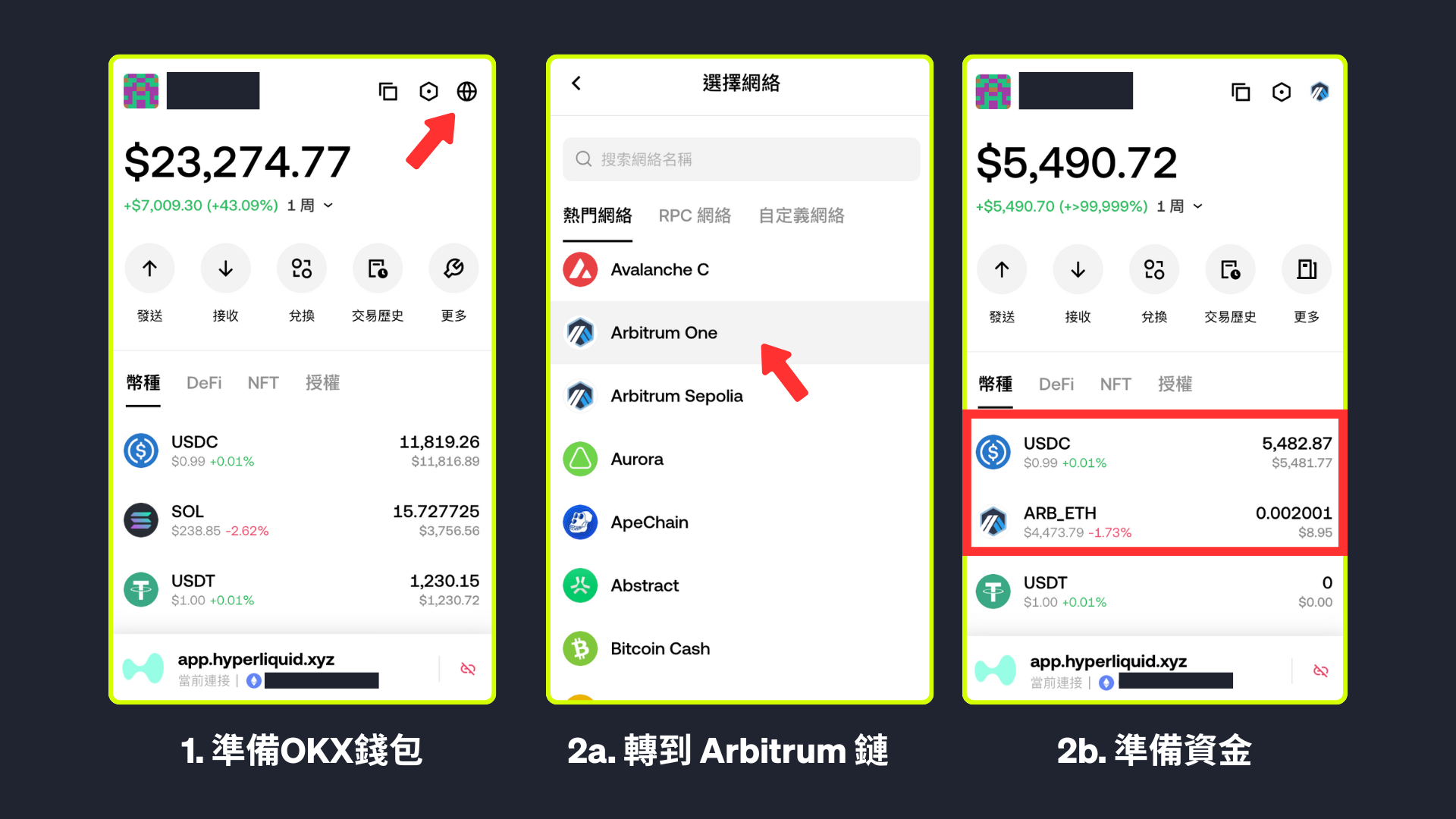
Set up a crypto wallet that supports networks such as Arbitrum; we recommend using OKX Web3 Wallet(Promo code MB001).
In the OKX Wallet, tap the icon in the top-right corner to switch to the Arbitrum chain, and prepare USDC funds on the Arbitrum network, as well as a small amount of ETH on Arbitrum to cover the deposit gas fees. If your USDC is on the Ethereum mainnet, you can use the “Exchange” feature in the OKX Wallet to quickly transfer your USDC to the Arbitrum chain—it only takes 1 to 2 minutes.
從This is the entrance to HyperliquidEnjoy a 4% fee discount. Click the “Connect” button in the upper-right corner, select your wallet, and sign to authorize the connection.
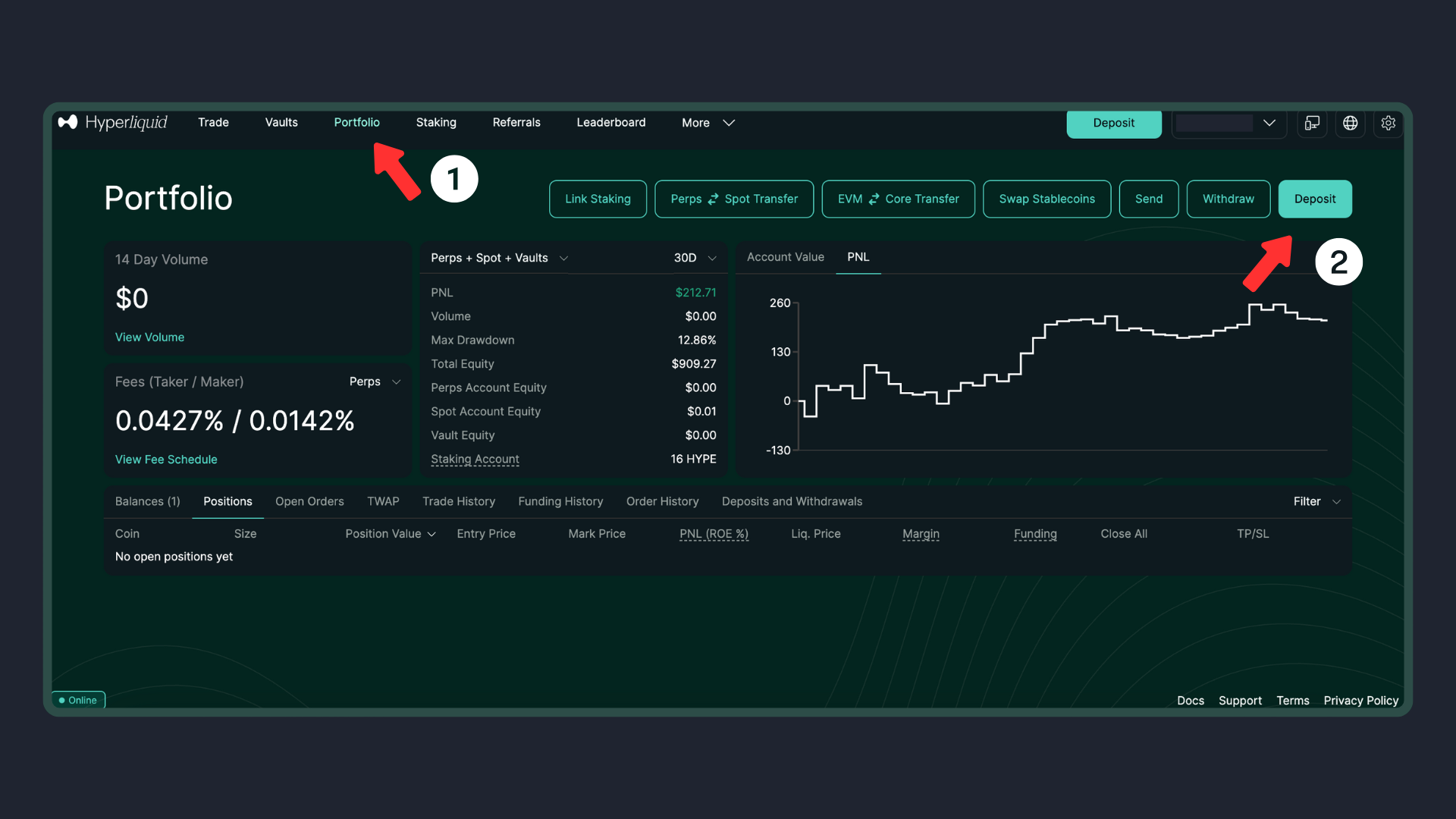
Click “Portfolio” at the top of the page, select “Deposit,” then choose the Arbitrum network, the asset (USDC), and the amount. Confirm and submit the transaction. Since Hyperliquid uses its own chain for settlement, this deposit effectively transfers USDC across chains to Hyperliquid L1. Once complete, the funds will appear in your Hyperliquid account—this usually takes just a few minutes. It’s worth noting that depositing from Arbitrum to Hyperliquid also incurs no gas fees, thanks to the gasless mechanism enabled by signature permissions.

Click “Trade” to start trading. To switch markets, click the drop-down menu next to the trading pair name in the upper-left corner and select Spot or Perps. In terms of contracts, Hyperliquid supports a full range of order types, including market orders (executed immediately at the best available market price), limit orders (where you set a price and wait for the order to be matched), and stop-loss/take-profit orders.
For example: Suppose you plan to go long on a BTC perpetual contract with 5x leverage. First, select either Cross (cross-margin) or Isolated (isolated margin) mode above the order placement area and set the leverage multiple. Then, choose between a market order and a limit order, and enter the quantity you wish to buy. The system will instantly display the estimated liquidation price, required margin, expected slippage, and fees. After confirming these details, click “Place Order” to execute the trade. If a limit order is not filled immediately, it will be placed in the order book to await a counterparty. Since there are no gas fees, order execution typically takes less than one second.
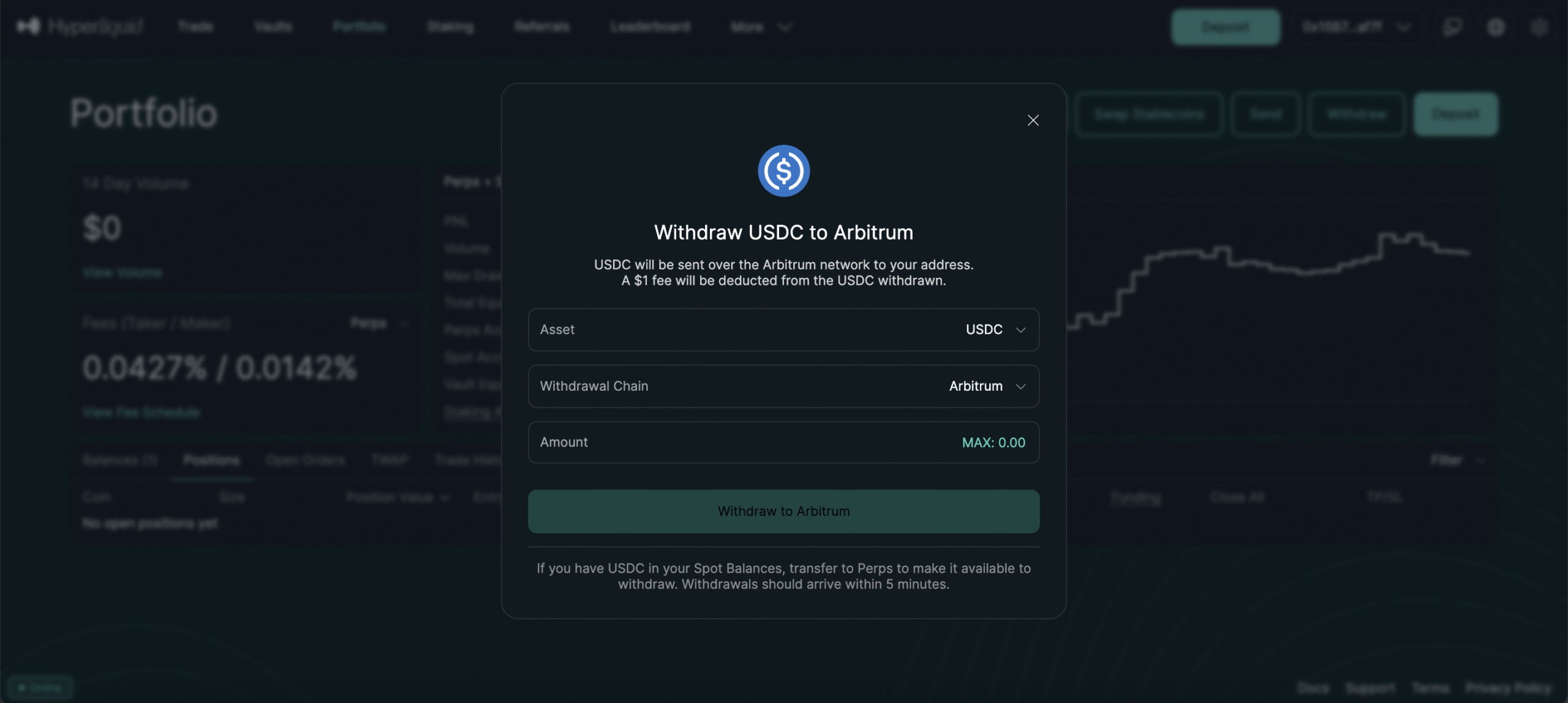
Withdrawing your profits to other chains is also simple. With your wallet connected, tap “Portfolio,” select “Withdraw,” enter the amount to withdraw, choose Arbitrum and the destination address, and submit after confirming. Hyperliquid does not impose a separate withdrawal limit, but a fixed fee of $1 applies to each transaction (to cover cross-chain processing fees). Funds are typically received within a few minutes.
REMINDER: If you're not going through MBHK Referral LinkWhen you enter Hyperliquid, you end up paying 4% more in fees than others.
The overall user experience is not much different from that of traditional exchanges, but on Hyperliquid, you always retain control of your assets, have no need to trust intermediaries, and every step of the process is public and transparent on-chain. For users familiar with wallet operations, trading on Hyperliquid is no more difficult than trading futures on Binance.
One final reminder: Hyperliquid does not support fiat currency deposits or withdrawals, nor does it connect to bank cards; it is exclusively for trading between crypto assets. If you are a beginner and do not own any cryptocurrency, you will first need to purchase some with Hong Kong dollars on a licensed platform and then transfer it to the blockchain. For more information, please refer to *2026 Beginner's Guide|How to transfer USDT? From bank deposit to wallet receipt of coins complete instruction》Learn about the entire process.
$HYPE How does the Token Economy model work?
As the core of the Hyperliquid ecosystem, $HYPE continues to show strong market performance. As of September 2026, $HYPE was hovering around the $80 mark, having hit an all-time high of approximately $86 in late August 2026, with a market capitalization of about $20 billion, firmly ranking among the top in the crypto market by market cap. Looking back at 2025, $HYPE rose by approximately 65% in the first half of the year—nearly four times Bitcoin’s gain during the same period. It’s no wonder that former BitMEX CEO Arthur Hayes dubbed it “All-time Hype.”
The token economy model of $HYPE is one of the cornerstones of the platform's success.
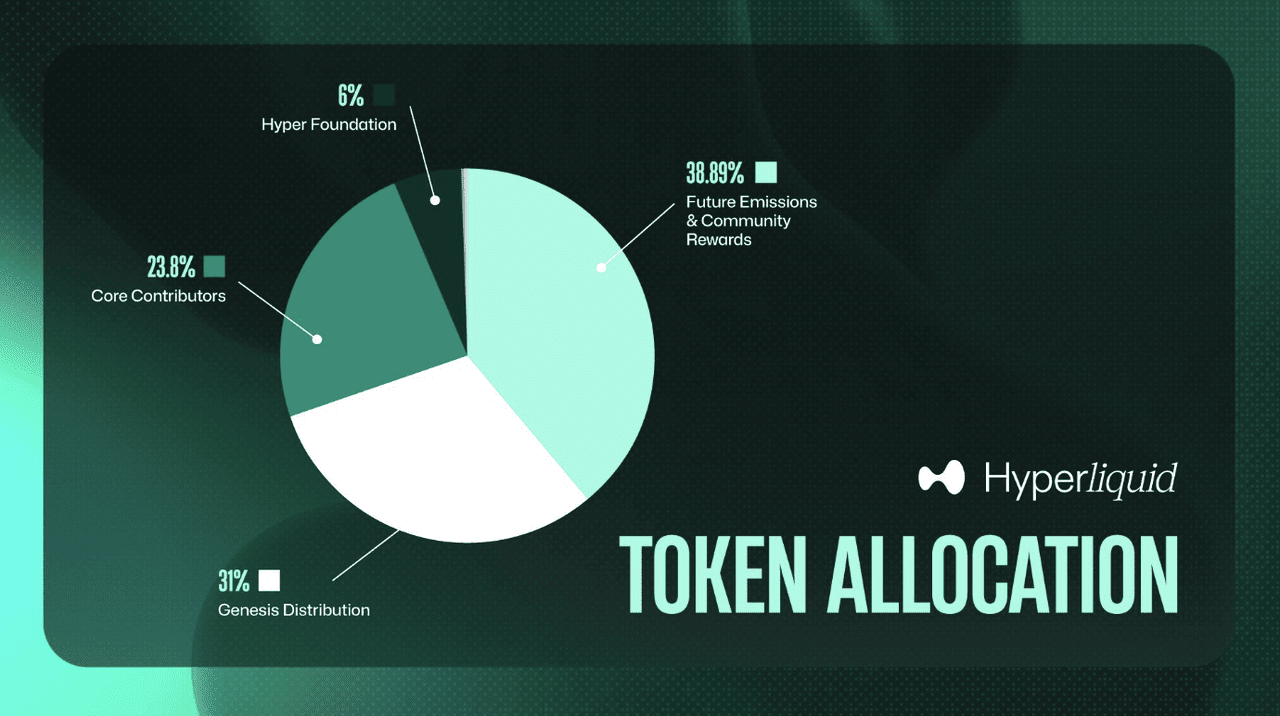
First is the community-first distribution strategy: In late November 2024, the project team conducted the $HYPE Genesis airdrop, distributing approximately 310 million tokens to early users, accounting for 31% of the total supply. Based on estimates at the time, the total value of the airdrop was approximately $1.6 billion, with each eligible user receiving an average of over $100,000 worth of $HYPE—making it one of the largest airdrops in crypto history. Within just one month after the airdrop, the token price surged 12-fold from its initial level.
The team itself retains only approximately 23.81 TP3T tokens (for core contributors), with 61 TP3T allocated to the Future Development Fund, while 38.891 TP3T of the total supply is earmarked for airdrops and community rewards. Combined with the project’s zero VC investment—no tokens were allocated to any venture capital firms—$HYPE avoids the risk of VC sell-off pressure typical of traditional projects, ensuring that genuine users and contributors are the primary beneficiaries.
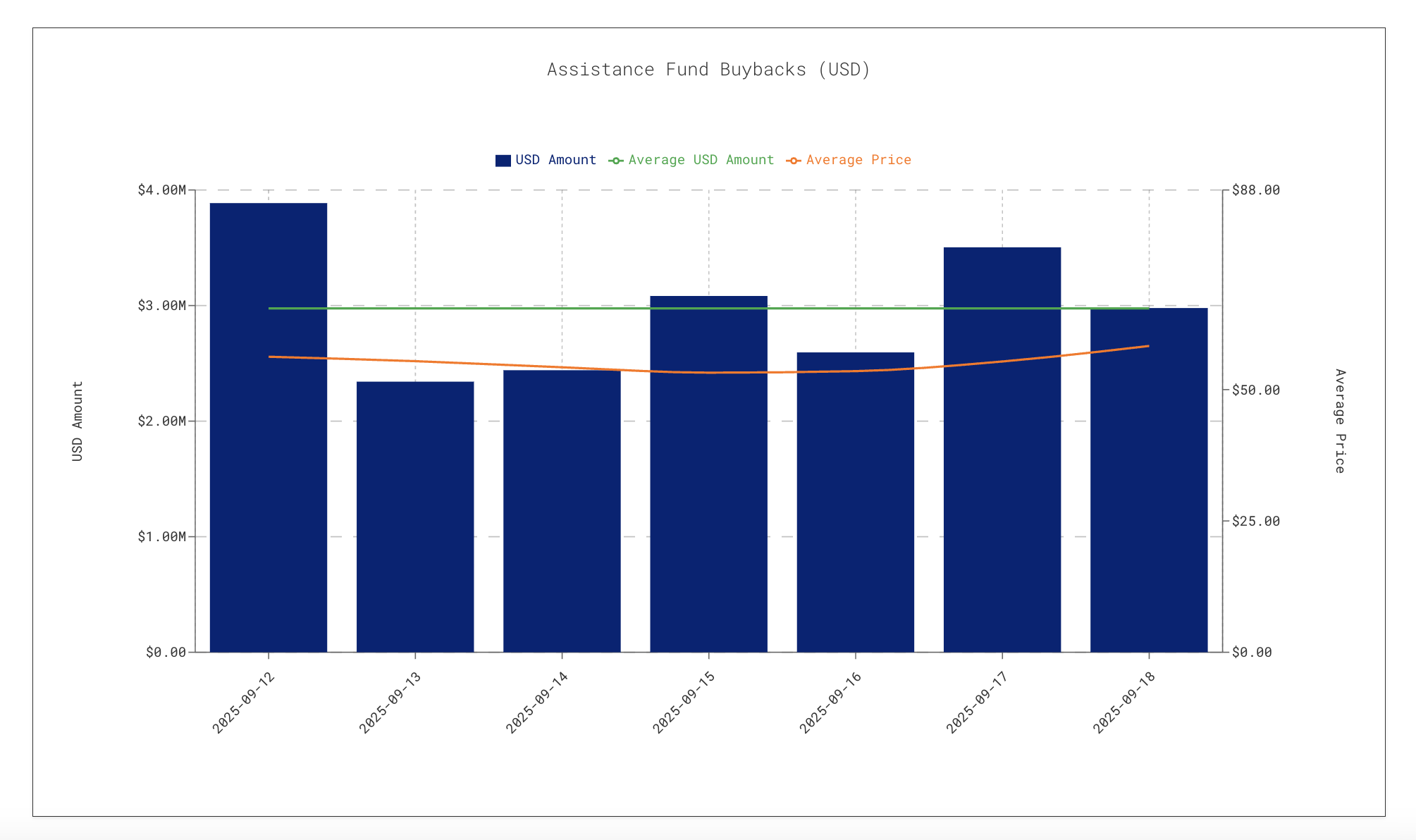
Even more commendable is the revenue distribution mechanism. Hyperliquid has established an “Assistance Fund,” which allocates the vast majority of the platform’s transaction fee revenue to repurchasing HYPE on the secondary market. As of mid-2026, the Assistance Fund had cumulatively invested over $1.3 billion in buybacks, holding approximately 28.5 million HYPE tokens. The scale of buybacks is equivalent to approximately 7% of the token’s market capitalization on a year-over-year basis, which is several times more intense than the reward mechanisms of most mainstream tokens. The higher the platform’s trading volume, the stronger the buyback intensity; the token’s value is closely tied to the platform’s performance, creating a virtuous cycle.
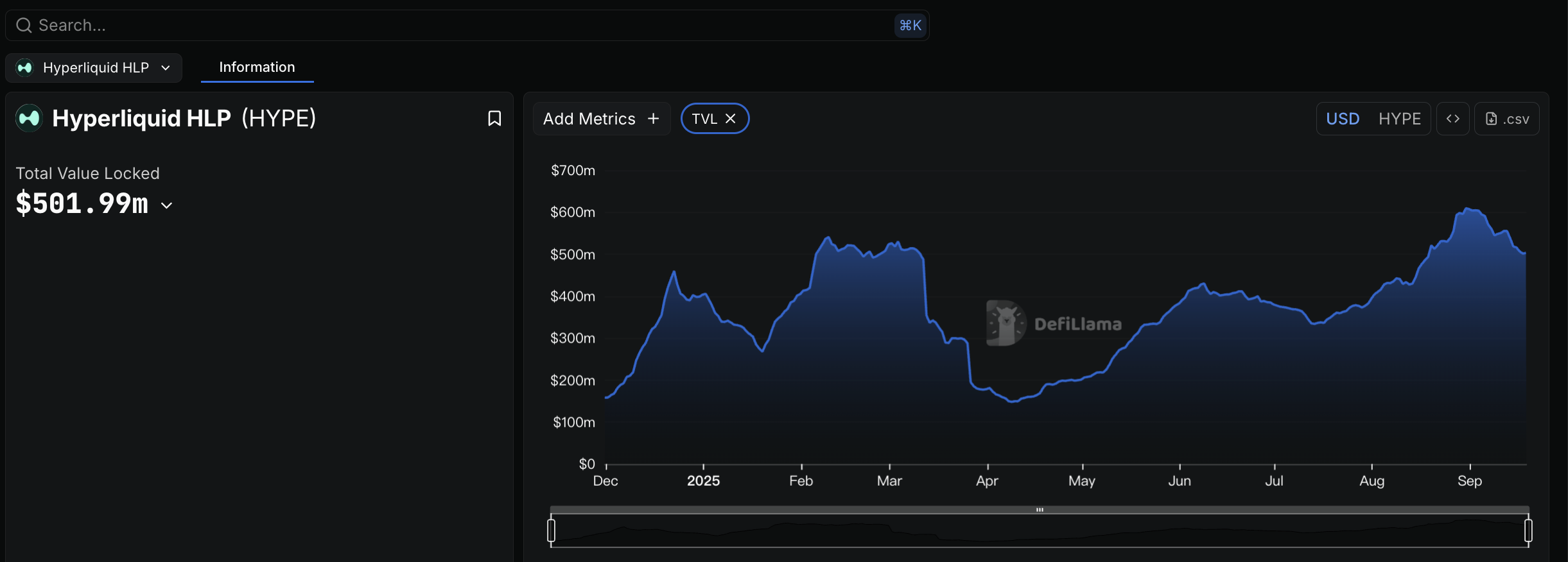
Revenue figures are equally impressive: As of mid-2026, the Hyperliquid protocol’s annualized revenue stood at approximately $1.3 billion (with full-year 2025 revenue of about $844 million), consistently ranking among the most revenue-generating protocols across the entire blockchain ecosystem. A DeFi protocol that didn’t launch its token until late 2024 is now able to stand shoulder-to-shoulder with centralized exchanges and even some publicly traded companies. The key lies in its ability to truly fuse the user experience of a CEX with the transparency of a DEX.
In addition to buybacks, $HYPE—as the native token of Hyperliquid L1—also supports staking. See the next section for details.
How do Hyperliquid Staking and the HLP reward mechanism work?
There are two main revenue mechanisms within the Hyperliquid ecosystem: staking HYPE to earn network rewards, and participating in the HLP liquidity pool to share in liquidity-providing rewards.
HYPE Staking and Nodal Incentives
As a PoS public blockchain, Hyperliquid allows HYPE holders to stake their tokens to maintain network security and earn rewards. You can run your own validator node (which requires a significant amount of HYPE as collateral) or delegate your HYPE to existing validators. Currently, approximately 400 million HYPE tokens are staked across the network, with an annualized staking return of approximately 2.4%. Returns come from block rewards rather than transaction fees (which are almost entirely used for buybacks).
Staking can be completed with a single click on Hyperliquid’s Staking page. Although the annualized rate of 2.4% isn’t particularly high, considering the support it provides to the token price through the fund’s buybacks, it’s equivalent to indirectly receiving an implicit “dividend”; moreover, staking can also stack with a trading fee discount of up to 40%. For those with a long-term bullish outlook on Hyperliquid, staking HYPE is a dual strategy that allows you to grow your holdings while saving on transaction fees. A high staking ratio also reduces selling pressure in the market, creating a dual deflationary effect in conjunction with buybacks and burns.
HLP Market Making Vault and Profit Sharing
Hyperliquid’s most distinctive revenue mechanism is the Hyperliquidity Provider (HLP) Vault—a community-driven market-making vault—an innovative model that democratizes the role of market makers.
Here’s how it works: Users deposit funds (primarily USDC stablecoins) into the HLP Vault and authorize the protocol’s market-making algorithm to use those funds to place orders on the HyperCore order book to provide liquidity. The HLP Vault serves as both a market maker and a liquidator: it executes large-volume trades and liquidates losing positions during periods of high market volatility. In return, HLP participants share in the Vault’s profits and losses, as well as a portion of the trading fee revenue.
On the one hand, the HLP mechanism provides the platform with stable and deep liquidity while reducing slippage; on the other hand, it allows ordinary users to participate in professional-level market-making and share in the profits. With liquidity owned by the community and transparent rules, Hyperliquid does not need to rely on external market makers.
What is HIP-3? U.S. stocks and gold can all be traded on the blockchain.
In October 2025, Hyperliquid launched HIP-3 on the mainnet—allowing third-party builders to deploy new perpetual contract markets on their own after staking a sufficient amount of HYPE, thereby decentralizing the process of “listing a market” itself. This was a crucial step in Hyperliquid’s evolution from “an exchange” to a “market factory.”
The biggest breakthrough brought by HIP-3 is bringing traditional financial assets onto the blockchain: As of March 2026, markets deployed via HIP-3 have covered tokenized perpetual contracts for more than 250 U.S. stocks and ETFs, including NVDA, TSLA, AAPL, MSFT, and other individual stocks, as well as commodity contracts such as gold and silver, which are priced against COMEX futures. In other words, you can trade BTC perpetuals, NVIDIA stock perpetuals, and gold perpetuals simultaneously—all year round—using the same USDC margin in a single on-chain account.
The growth figures are equally impressive: Open interest in the HIP-3 market surpassed $1.4 billion in March 2026, briefly reaching an all-time high of approximately $3.9 billion in July, with cumulative trading volume exceeding $25 billion since its launch. Currently, builders led by TradeXYZ account for the vast majority of HIP-3 open interest, focusing primarily on tokenized stocks, indices, and commodities.
With the launch of HyperEVM in February 2025, the entire ecosystem is rapidly taking shape: By 2026, over 200 protocols had been deployed on HyperEVM, with a total value locked (TVL) of approximately $2 billion—a fourfold year-over-year increase—spanning lending (HyperLend, HypurrFi), DEXs (HyperSwap, KittenSwap), and liquid staking. Hyperliquid’s vision of being the “AWS of liquidity”—enabling other applications to build directly on top of its deep liquidity—is gradually becoming a reality.
What are the risks of Hyperliquid?
HLP Vault is not a risk-free money-making machine. As a counterparty, it may incur losses due to extreme market manipulation; the JELLY incident in March 2025 is a well-known example.
At the time, the attacker controlled a large number of JELLY tokens, first dumping tokens to force the HLP Vault to passively take on large short positions at low prices, then buying back and driving up the JELLY price to 400%, causing the HLP’s paper loss to reach as high as $13.5 million at one point. The Hyperliquid team reacted extremely quickly, reaching validator consensus shortly after the attack occurred. They delisted the JELLY market and forcibly closed positions at the attacker’s entry price, plugging the vulnerability. At the same time, the foundation pledged to compensate all legitimate users for their losses, ultimately minimizing HLP’s losses.
Following the incident, the team upgraded the HLP mechanism by strengthening the Automatic Position Reduction (ADL) mechanism, adjusting the risk control parameters for low-market-cap tokens, and reducing the proportion of funds in the liquidation pool. It is worth noting that more than a year has passed since the incident, and the mechanism has been operating normally with no recurrence of similar incidents; As of August 2026, Hyperliquid’s contracts, cross-chain bridges, and consensus layer have not experienced any confirmed hacking or theft incidents. HLP’s TVL has fully recovered since the incident, demonstrating that its mechanisms and the team’s ability to handle crises have stood the test.
Other potential risks include:
- Blockchain Security and Decentralization: With a relatively concentrated number of validators, the degree of decentralization remains questionable.
- Intelligent Contract Audit and Vulnerability Protection
- Risks Associated with Cross-Chain Bridges (USDC Bridge)
- Compliance and Regulatory Challenges: Hyperliquid Is Not a Licensed Platform in Hong Kong
Although Hyperliquid currently has a solid track record, users should limit the amount of funds they invest in the Hyperliquid ecosystem to an amount they can afford to lose, pay close attention to the audit reports and risk warnings published by the official channels, and make effective use of tools such as stop-loss orders to manage risk.
Want to deposit Hong Kong dollars to start buying cryptocurrency? Open an account with Futu Securities, and you can buy and sell BTC and ETH directly from your securities account. Withdrawing coins to Hyperliquid is also very convenient—Click here to view the Futu account opening guide (enter the referral code MBHKFT to claim the new user bonus)。
What is the future potential of Hyperliquid?
Hyperliquid is poised to continue expanding its lead in the decentralized derivatives market; it currently accounts for approximately 70 percent of the open interest in the decentralized perpetual contracts market and continues to erode the market share of centralized exchanges.
At the same time, Hyperliquid is transforming “deep liquidity” into infrastructure that others can build upon: the more than 200 protocols in the HyperEVM ecosystem and HIP-3’s U.S. stock and commodity markets are all concrete manifestations of this “AWS of liquidity” vision. If it can replicate Uniswap’s thriving ecosystem model, the value of $HYPE will extend beyond that of an exchange token to become the fuel for the entire chain.
Hyperliquid isn’t the first DEX to challenge CEXs, but it’s the first project to truly demonstrate that “a CEX-like experience can be delivered on-chain”—and that alone is enough to change the course of the industry. Moving forward, it will need to strike a balance between decentralization, security, and regulatory risks. At the very least, it offers us a glimpse of a DeFi landscape that comes closer to the ideal.
The above content is for educational purposes only and does not constitute investment advice. If you want to save on 4% trading fees, you can do so by MBHK Referral LinkStart using Hyperliquid—it won't cost you anything.
Most Popular Cryptocurrency Trading Platforms
The Most Convenient Way for Hong Kong Residents to Buy BTC and ETH with Hong Kong Dollars: Buy Cryptocurrencies Directly Through a Securities Account 》
[2026 Tutorial] Complete Guide to Opening an Account with Futu Securities to Buy Cryptocurrency (Invitation Code: MBHKFT)
Want to withdraw your coins to a wallet and then transfer them to Hyperliquid after purchasing? A Complete Guide to Deposits and Withdrawals 》
[2026 Guide] Futu Cryptocurrency Deposit and Withdrawal Guide
More choices of contract currencies, suitable for buying fake coins in cash.
Trade on MEXC and enjoy a 20% fee rebate
Related Post:
Hyperliquid FAQ
What is the difference between Hyperliquid and other DEX?
While most DEXs (such as GMX and dYdX) use the AMM or RFQ model, Hyperliquid employs a fully on-chain order book combined with its proprietary L1 chain to achieve zero gas fees and millisecond-level execution, offering liquidity and a user experience closest to that of centralized exchanges. The trade-off is a relatively concentrated pool of validators, raising questions about its level of decentralization.
How much are Hyperliquid's transaction fees?
2026 Current Standards: For perpetual contracts, the taker fee is 0.045% and the maker fee is 0.015%, with seven volume-based tiered rates. Staking HYPE grants an additional fee discount ranging from 51 TP3T to a maximum of 401 TP3T (staking 500,000 or more yields 401 TP3T), Registering with a referral code grants an additional 41 TP3T discount (within the first $25 million in trading volume); discounts are stackable. Additionally, a fixed $1 cross-chain fee is charged per withdrawal.
What benefits does the MBHK referral code offer?
Through MBHK Referral LinkSign up for Hyperliquid to enjoy a 4% fee discount on your first $25 million in trading volume. This discount can be combined with volume-based tiers and staking discounts without incurring any additional costs.
Is Hyperliquid safe? Could USDC funds be stolen?
Hyperliquid employs a multi-signature architecture combined with a USDC cross-chain bridge; as of August 2026, there have been no confirmed contract or cross-chain bridge hacks, and the JELLY market manipulation incident in March 2025 was also swiftly addressed by the team, with users receiving compensation. However, risks associated with cross-chain bridges and validator centralization persist; it is recommended that funds invested in a single account not exceed 30% of one’s total crypto asset holdings.
How do Hong Kong users trade on Hyperliquid?
The steps are as follows:
- 經Open an Account with Futu Securities(Invitation code: MBHKFT), Buy BTC or ETH with Hong Kong dollars
- Withdraw funds to the OKX Web3 wallet and exchange them for USDC within the wallet
- Connecting to the Arbitrum network using OKX Web3 wallet or MetaMask
- Transfer USDC to Hyperliquid via a cross-chain transaction
- 以 MBHK Referral CodeSign up and enjoy a 4% fee discount
- Start Trading Sustainable Contracts
Will $HYPE tokens continue to rise in the future?
This generally depends on three factors: first, whether protocol revenue can continue to grow (approximately $1.3 billion annualized by 2026); second, token unlocking pressure, with particular attention needed to the unlocking schedule for tokens held by core contributors; and third, the overall crypto market cycle. $HYPE’s valuation reflects market expectations of Hyperliquid’s continued expansion (including the HIP-3 traditional asset market), with downside risks stemming from a competitive backlash and regulatory changes.
Next Step: If you want to start your on-chain journey by depositing Hong Kong dollars, we recommend reading *Fidelity Cryptocurrency Teaching》, then come back and use the referral code to activate Hyperliquid.
Disclaimer
The content of this article is for reference only, investors should exercise independent judgment, invest prudently and at their own risk, this article does not provide or attempt to persuade the audience to do trading or investment basis, the content is for sharing purposes only, and should not be regarded as investment advice.It does not represent the views and position of Monsterblockhk.All information and opinions are current as of the date of the judgment. In addition, if a judgment is rendered on aIn this siteAny content related to virtual asset trading platforms that have not yet obtained a license to operate virtual asset trading platforms in Hong Kong, including but not limited to text introductions, pictures, offers, events, etc., are only available to users outside the Hong Kong Special Administrative Region.
According to the Hong Kong Anti-Money Laundering and Counter-Terrorist Financing (Amendment) Ordinance 2022, after June 1, 2023, all centralized virtual asset trading platforms operating in Hong Kong or actively promoting their services to Hong Kong investors will be licensed and regulated by the SFC, and any related unlicensed activities will be a criminal offence. For more information and details of the legislation, users may refer to the SFC website.